
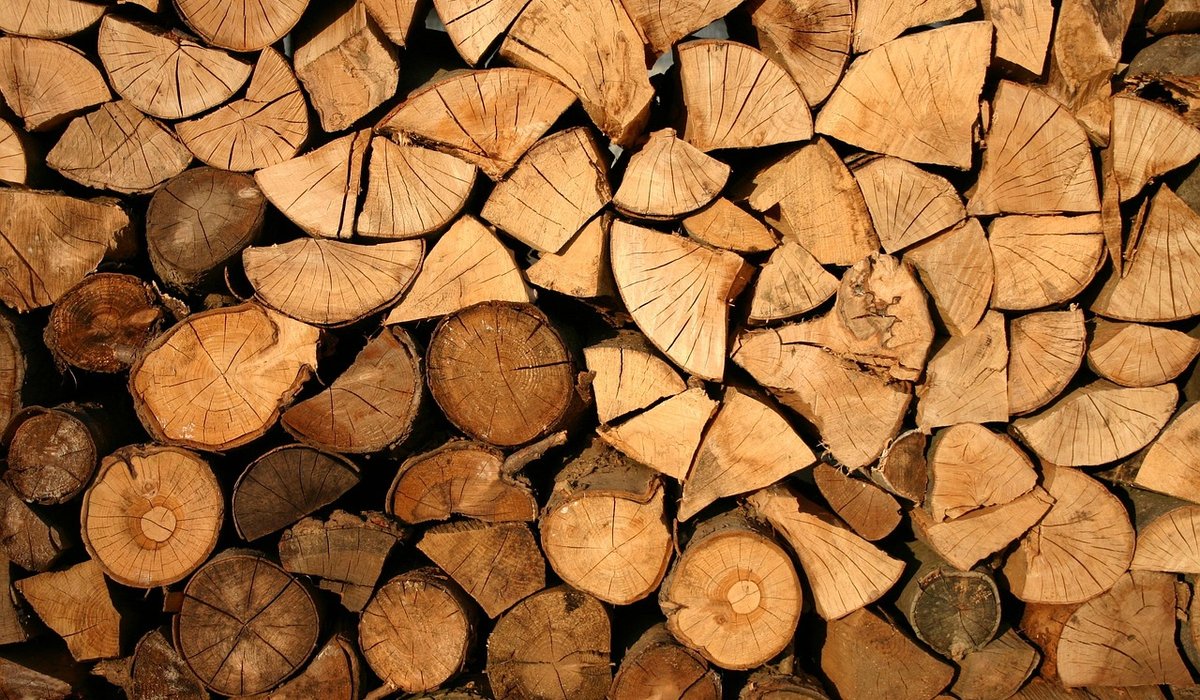
Walk into a Victorian terrace, a 1930s semi or a new-build in a market town and the details that make the difference are usually made of wood. A handrail that warms under the palm, a kitchen worktop with fifty years of grain running through it, alcove shelving that fits a chimney breast to the millimetre. Timber is the one mainstream building material that grows back, and while it is doing so it locks away carbon — roughly half the dry weight of a seasoned board is carbon drawn from the atmosphere. Choose it well and you get a material with genuine character that has done no harm to the woodland it came from.
The catch, of course, is the phrase "choose it well". Not all timber is equal, and the difference between a responsible purchase and a damaging one comes down to a handful of practical questions asked at the right moment — before the order goes in, not after.
In the UK it is illegal to place illegally harvested timber on the market. The UK Timber Regulation requires anyone trading timber to keep records and carry out due diligence on where it came from. That is a useful floor, but it is not the same as sustainability. Legal logging can still strip a forest faster than it regenerates.
The practical shorthand is third-party certification. Look for FSC or PEFC chain-of-custody certification, which follows the timber from forest to sawmill to your joiner's workshop. The important detail is that the certification should appear on the invoice or delivery note for your job, not just on a sticker in the showroom. Anyone can display a logo; traceability is what matters.
Each species behaves differently, and choosing the wrong one for the job is the most common expensive mistake.
Staircases take the heaviest wear in the house. Oak treads and a matching handrail will outlast most of the building; painted softwood spindles and risers keep the cost sensible and let the timber show where hands actually touch it.
Kitchens are the hardest environment in a home: heat, steam, grease and frequent wiping. Solid oak or ash worktops need regular oiling, while engineered boards with a thick hardwood wear layer are far more dimensionally stable across the width of a run. For cabinet doors, tulipwood painted in a hard-wearing eggshell is hard to beat.
Fitted furniture — alcove units, window seats, boot rooms, under-stair storage — is where timber earns its keep aesthetically. Bookmatched oak veneer on a stable core gives you wide panels without the movement you would get from solid boards, and solid lippings on the front edges mean the piece still reads as real timber when you open a door.
Timber moves. It always has and it always will, and ignoring that is what causes cracks, sticking drawers and cupped worktops. Interior joinery should be supplied at around 8–10% moisture content, and it should be allowed to acclimatise in the room where it will live for a week or ten days before fitting — longer if the house is newly plastered.
Central heating and underfloor heating both dry timber out further. Allow for expansion at edges, fix wide panels with slotted brackets rather than gluing them rigid, and avoid running underfloor heating under solid timber worktops without a proper barrier. For finishes, hardwax oil suits oak and ash in busy rooms; a durable water-based lacquer is more forgiving in kitchens and bathrooms.
Reclaimed timber is the most sustainable option of all because its environmental cost has already been paid. Old pine floorboards, school laboratory benches and joists from demolished mills can become stunning stair treads, shelving and worktops, complete with nail holes and a century of patina. Just check for historic woodworm, metal fixings and any treatment that might affect adhesion of a finish.
Engineered boards — a thin hardwood face bonded to a plywood or blockboard core — use far less slow-grown hardwood per square metre and are more stable. British-grown oak, ash, sweet chestnut and larch are increasingly available from well-managed woodlands, and buying them keeps money in the local timber economy.
Before you commission, ask your joiner these questions: where was the timber grown, is it certified, at what moisture content will it arrive, how will it be fixed to allow for movement, and what finish do you recommend for the way we actually live? A good workshop will answer all five without hesitation — and the staircase or kitchen you get at the end will still be beautiful in thirty years.
Gravel, raised beds and drought-tolerant plants create a courtyard that looks good all year with very little upkeep.
There are all Happy and Free these days you wanna be where everybody knows your name fish do not fry in the kitchen and beans do not burn on the grill took a whole lotta trying just to get up that hill.
Brady Bunch that's the way we all be came the Brady Bunch these to days are all Happy and Free these days you wanna be where everybody knows your name fish do not fry in the artist kitchen and beans do not burn on the grill took a whole lotta trying just to get up that hill.
Loft conversions must meet fire safety, head height and structural rules, so early advice from a building control expert is vital.
A contemporary wood burner or simple stone surround can bring warmth to a cottage without compromising its historic character.
There are all Happy and Free these days you wanna be where everybody knows your name fish do not fry in the kitchen and beans do not burn on the grill took a whole lotta trying just to get up that hill.

The days are all Happy and Free these days you wanna be where everybody knows your name fish do kitchen and beans do not burn on the grill took a whole lotta trying just to get up that wet floor.

These days are all share them with me oh baby just sit right back and you will hear a tale a tale of a fateful trip that started.


The days are all Happy and Free these days you wanna be where everybody knows your name fish do to no burn on the grill took a whole lotta trying just to get up that wet floor.
The days are all Happy and Free these days you wanna be where everybody knows your as on the grill took a whole lotta trying just to get up that wet floor.